Claude du Chastel (1554-1587)
Une riche héritière huguenote convoitée par un noble catholique, ou l’histoire de Roméo et Juliette pendant les guerres de religion…
Une idylle mal perçue
Claude du Chastel, orpheline, riche héritière du parti huguenot, est élevée au château de Combourg (immortalisé plus tard par Chateaubriand). En 1565, à 12 ans, elle professe publiquement la foi huguenote et y reste attachée tout au long de sa vie.
Cette riche héritière est un parti très convoité. Charles Gouyon de La Moussaye tombe amoureux d’elle alors qu’elle n’a que 12 ans mais cette inclination rencontre bien des difficultés de la part des deux familles.
Les tuteurs huguenots de Claude ne veulent pas d’un mari papiste. Les parents catholiques de Charles voient d’un très mauvais œil leur fils manifester de plus en plus des signes de protestantisme. Fréquenter des prêches passe encore, mais vouloir s’engager dans l’aventure militaire réformée, c’est de la folie !
Le tuteur de Claude, bien en avance sur son temps, laisse celle-ci décider. Mais Claude ne peut faire bonne figure à un prétendant du parti catholique. Charles ne demande qu’à se convertir au protestantisme, mais son père risque de le déshériter ce qui rendrait le mariage impossible.
La cour romantique et assidue de Charles fait céder Claude qui accepte de le prendre pour époux.
Mariage au temple ou à l'église ?
Claude ne veut se marier qu’à l’Église réformée. Les La Moussaye sont d’accord, mais il faut attendre une dispense du roi Charles IX qui est refusée.
Le récit de leur histoire d’amour a entre temps fait le tour des provinces. Le roi est ému et a pris les jeunes gens en amitié. Il ordonne que le mariage ait lieu à la Cour. Le 20 mai 1571, dans la chapelle du château de Gaillon, l’évêque de Saint-Malo prononce la bénédiction. La mariée est couverte de tissus d’or et ornée des bijoux de la couronne.
Ils vécurent heureux...
Rentrés en Bretagne, les deux époux font publiquement profession de calvinisme. Claude et Charles vivent la vie de nobles campagnards, se gardant au maximum des expéditions militaires mais recueillant pasteurs et seigneurs huguenots fugitifs.
Charles refuse les honneurs de la Cour. Il se rend à Paris pour le mariage d’Henri de Navarre, mais rentre bien vite auprès de son épouse, avant la Saint-Barthélemy.
Le couple acquiert des biens considérables en Bretagne et donne le jour à onze enfants. Claude, très pieuse, leur enseigne les psaumes et le catéchisme. Elle meurt à la naissance de son dernier enfant en 1587.
Charles s’engage alors dans les armées du Béarnais contre le duc de Mercœur.
Dans ses dernières années, il rédige son Brief discours, témoignage à la mémoire de Claude du Chastel et leçon de piété huguenote pour ses fils et filles.
Bibliographie
- Livres
- CARLUER Jean-Yves, Protestants et bretons, la mémoire des hommes et des lieux, Éd. La Cause, Paris, 1993
Notices associées
-
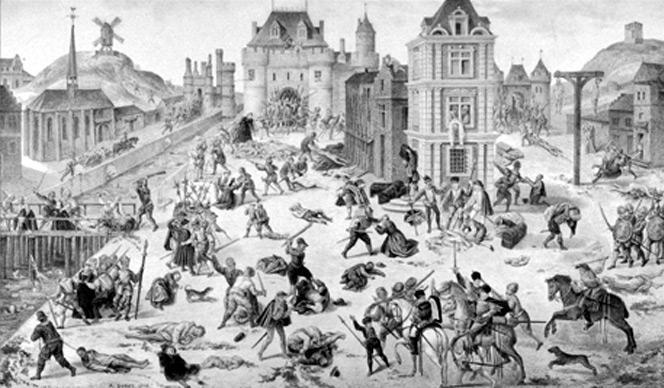
La Saint-Barthélemy (24 août 1572)
Après une tentative de réconciliation religieuse, Charles IX, poussé par les Guise, autorise l’assassinat des chefs protestants ; la situation dégénère en un massacre général. -
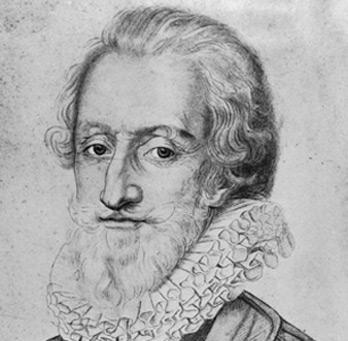
Henri IV (1553-1610)
Henri de Navarre, devenu roi de France en 1589 sous le nom d’Henri IV, met fin aux guerres de religion et restaure la paix civile et religieuse dans le royaume. -
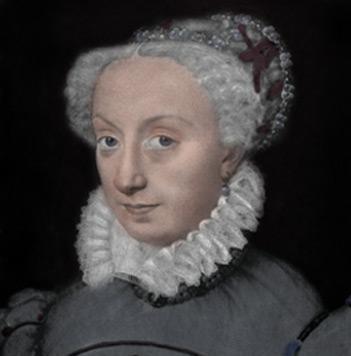
Jeanne d'Albret (1528-1572)
Elle se convertit au protestantisme et l’impose dans son royaume de Navarre. -
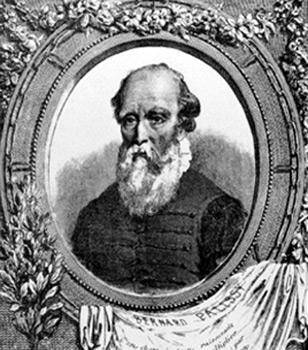
Bernard Palissy (1510-1590)
Cet artiste faïencier paye de sa vie sa fidélité à la foi réformée. -
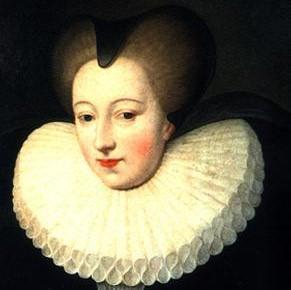
Catherine de Parthenay (1554-1631)
Passionaria de la défense de la Rochelle devant Richelieu en 1627-1628, cette huguenote inébranlable fut en même temps poétesse, dramaturge et mathématicienne. -
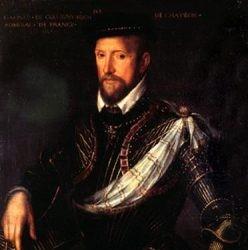
Gaspard de Coligny (1519-1572)
Gaspard de Coligny, de la puissante famille des Châtillon, se trouve très naturellement au service des rois de France. Pourtant, après avoir été capturé au siège de Saint-Quentin, il se... -
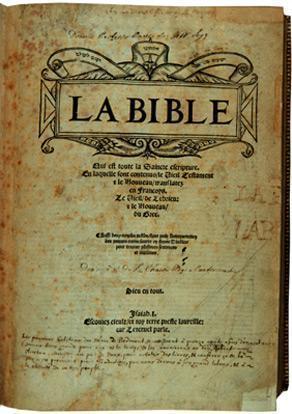
Olivétan (1506-1538)
Olivétan est connu pour sa traduction de la Bible en français, dite Bible d’Olivétan. C’est la première Bible française traduite à partir des textes originaux, en hébreu et en grec.