François Hotman (1524-1590)
François Hotman met en cause l’absolutisme royal.
Un juriste et un polémiste huguenot
-
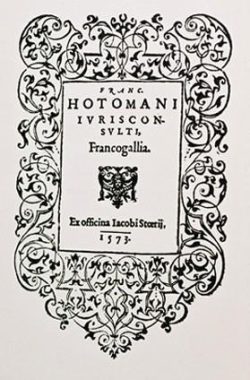
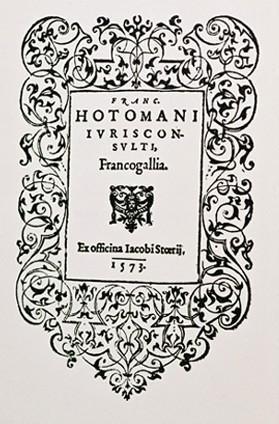
Francogallia de François Hotman © S.H.P.F
François Hotman fait de brillantes études à l’université de droit d’Orléans.
Il adhère à la Réforme vers 1547. Fuyant les persécutions, il décide de quitter la France. Grâce au soutien de Calvin, il est nommé professeur de belles-lettres à l’Académie de Lausanne, en 1549. En 1555, Hotman est à Strasbourg où il obtient une chaire de droit. En 1588, il reçoit le titre de docteur à Bâle.
De retour en France, il rejoint le roi Antoine de Navarre dont il devient maître des requêtes. Il se partage entre son travail de pamphlétaire, son rôle auprès du roi de Navarre ou du prince de Condé et son enseignement.
En 1572 il se trouve à Bourges, à l’université où l’a appelé la duchesse Marguerite de Savoie, lorsqu’éclatent les massacres de la Saint-Barthélemy auxquels il échappe de justesse. Il s’enfuit alors à Genève et y enseigne le droit romain.
François Hotman écrivain
C’est à Genève qu’il publie le De Furoribus gallicis où il dénonce le rôle de la Cour dans les massacres de la Saint-Barthélemy.
Son œuvre majeure est la Francogallia, étude historique sur l’origine des institutions de la France, qui est en fait une réflexion sur ce qu’il appelle la « sédition légitime ». Il préconise une résistance constitutionnelle – de la part des États Généraux – à opposer au roi lorsque son gouvernement s’avère tyrannique. C’est un début de mise en question de l’absolutisme royal, partagée par Théodore de Bèze. À ce titre Hotman fait partie des monarchomaques.
François Hotman, La France gauloise (ou Francogallia), chapitre I :
« Il est plus que nécessaire qu’un roi soit retenu en son devoir par la révérence et l’autorité des gens de bien et d’honneur, comme représentant la personne du Peuple, lequel les commet à cela et leur donne cette puissance. »
Bibliographie
- Livres
- BLOCAILLE Étienne, Étude sur F. Hotman : la Franco-Gallia, Slatkine, Genève, 1970
- HOTMAN François, La Gaule française, Fayard, Paris, 1991
Parcours associés
Notices associées
-
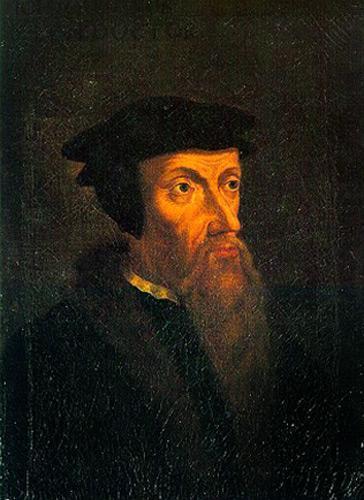
Jean Calvin (1509-1564)
Une génération après Luther, le Français Jean Calvin est l’organisateur de la Réforme : organisateur de l’Église, de la doctrine et du rôle de l’Église dans l’État. -
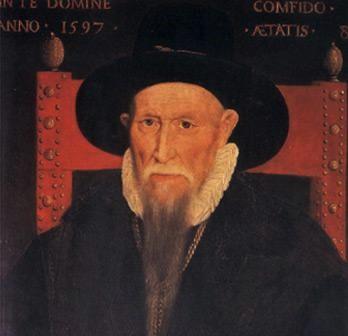
Théodore de Bèze (1519-1605)
Théodore de Bèze est un des personnages les plus importants du courant réformé. Il soutient Calvin et succède à celui-ci comme modérateur (président) de la Compagnie des pasteurs de Genève.... -
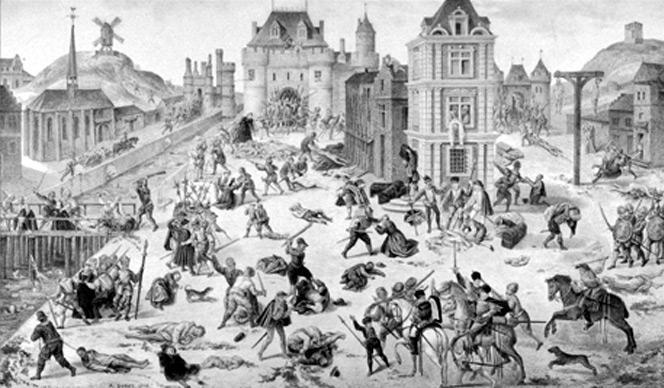
La Saint-Barthélemy (24 août 1572)
Après une tentative de réconciliation religieuse, Charles IX, poussé par les Guise, autorise l’assassinat des chefs protestants ; la situation dégénère en un massacre général. -
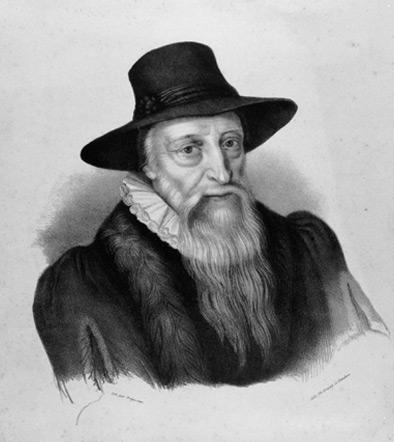
Les monarchomaques et la contestation du pouvoir absolu
Les théoriciens désignés comme «ceux qui combattent le gouvernement d’un seul» sont partisans d’une monarchie contractuelle. Ils sont aussi appelés monarchomaques. -
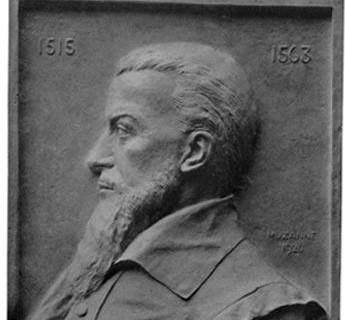
Sébastien Castellion (1515-1563)
Sébastien Castellion est considéré aujourd’hui comme l’apôtre de la tolérance et de la liberté de conscience. Pour lui, différentes interprétations de la Bible sont possibles, ce qui légitime un christianisme... -
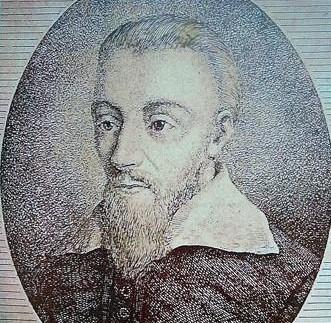
Sébastien Castellion, apôtre de la tolérance au XVIe siècle
Qui est Sébastien Castellion ? -
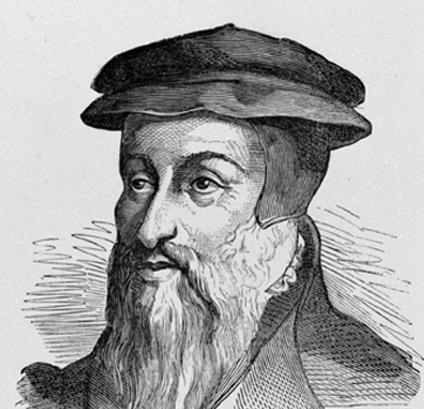
Robert Estienne (1503-1559)
Robert Estienne est issu d’une illustre famille de typographes parisiens en relation avec les milieux humanistes de l’Europe entière. -
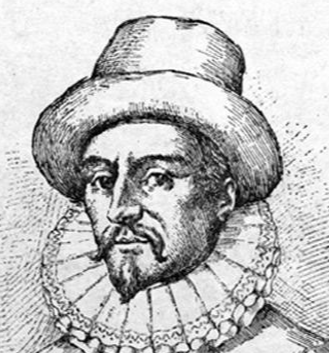
Guillaume Du Bartas (1544-1590)
Diplomate et poète, Du Bartas est un calviniste convaincu.