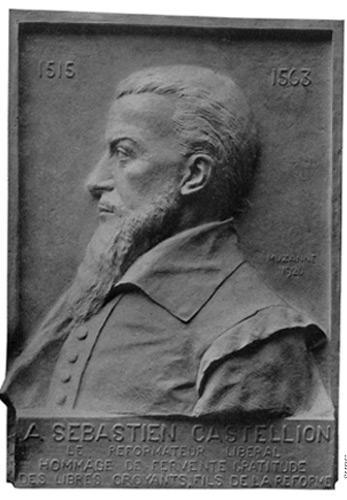
Sébastien Castellion (1515-1563)
Sébastien Castellion est considéré aujourd’hui comme l’apôtre de la tolérance et de la liberté de conscience. Pour lui, différentes interprétations de la Bible sont possibles, ce qui légitime un christianisme pluraliste et le refus du recours à la violence.
Pédagogue, humaniste et théologien
-

Sébastien Castellion (1515-1563) © S.H.P.F.
Né près de Nantua, Sébastien Castellion fait ses études à Lyon et devient protestant. Il va à Strasbourg en 1540 où il fait la connaissance de Calvin. À son retour à Genève, Calvin l’appelle à diriger le Collège de Rive.
Des divergences l’opposent à Calvin, et l’empêchent de devenir pasteur à Genève, comme il le souhaitait. Il part pour Bâle en 1545, où après quelques années difficiles (il exerce divers métiers, dont correcteur d’imprimerie), il est nommé en 1553 professeur de grec à l’Université.
Castellion a beaucoup écrit. Dans le domaine de la pédagogie, il rédige de petites saynètes à faire jouer aux enfants pour leur apprendre le latin. Il publie aussi des éditions et des traductions d’auteurs classiques grecs.
La traduction de la Bible
-
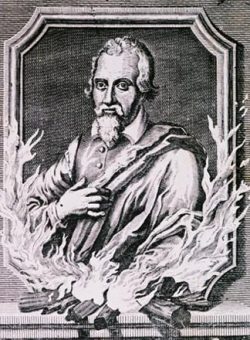
Michel Servet (1511-1553) © S.H.P.F.
Castellion publie en 1555 une traduction de la Bible, Ancien et Nouveau Testament, selon des principes alors révolutionnaires. D’abord, il reconnaît l’obscurité de certains passages, et la possibilité de les comprendre de diverses manières. Ensuite, il veut s’adresser aux ignorants, non aux lettrés, et il utilise le langage populaire. Sa traduction choque, on estime qu’en employant « le jargon des gueux » Castellion ne respecte pas la majesté de la Bible. Les traductions modernes de la Bible en français courant reprennent aujourd’hui le projet de Castellion.
Contre la violence
-
Michel Servet (1511-1553) © S.H.P.F.
L’exécution à Genève en 1553 de Michel Servet (pour cause de refus de la doctrine trinitaire) indigne Castellion, et il publie, sous un pseudonyme, le Traité des hérétiques, une anthologie de textes anciens et récents qui condamnent la mise à mort pour opinion doctrinale déviante. Théodore de Bèze répond par un traité qui justifie l’exécution de Servet. Castellion réplique par Contre le libelle de Calvin qui ne paraîtra, pour cause de censure, qu’en 1612. Dans ce traité se trouve une phrase fameuse : « Tuer un homme, ce n’est pas défendre une doctrine, c’est tuer un homme. »
En 1562, Castellion publie Conseil à la France désolée, où il dénonce « le forcement des consciences » et plaide pour qu’on laisse « les deux religions [catholique et protestante] libres, et que chacun tienne sans contrainte celle des deux qu’il voudra ». Le synode réformé de Lyon en 1563 condamne ce livre.
Les écrits théologiques
Castellion écrit des traités contre la doctrine calvinienne de la prédestination. Il rédige également un livre qui résume ses orientations théologiques, De l’art de douter et de croire, d’ignorer et de savoir. Il y pose des règles étonnamment modernes pour la lecture de la Bible (prendre en compte le contexte, le genre littéraire, les variantes textuelles ; distinguer le message qui vient de Dieu et sa formulation humaine), et il y plaide pour une foi qui soit confiance en Dieu, amour du prochain et non adhésion à des doctrines. Il refuse d’opposer la raison (qui est un don de Dieu) et la foi. Il expose une compréhension de la Cène proche de celle de Zwingli.
Ces divers traités seront publiés à sa mort, grâce aux Remontrants (des réformés dissidents) de Hollande qui recueillent ses manuscrits. Aux XIXe et XXe siècles, les protestants libéraux se réclament de Castellion, et entretiennent sa mémoire.
Sébastien Castellion, Conseil à la France désolée :
« Je trouve que la principale et efficiente cause de ta maladie, c’est-à-dire de la sédition et guerre qui te tourmente, est forcement des consciences. »
Bibliographie
- Livres
- BUISSON Ferdinand, Sébastien Castellion, sa vie et son œuvre, Paris, 1862
- CASTELLION Sébastien, Conseil à la France désolée, Droz, Genève, 1967
- CASTELLION Sébastien, Contre le libelle de Calvin, Éditions Zoé, Genève, 1998
- CASTELLION Sébastien, De l’art de douter et de croire, d’ignorer et de savoir, La Cause, Paris, 1996
- CASTELLION Sébastien, De l’impunité des hérétiques, Droz, Genève, 1971, p. 230
- GIRAN Étienne, Sébastien Castellion et la Réforme calviniste. Les deux Réformes, Hachette, Paris, 1914
Notices associées
-
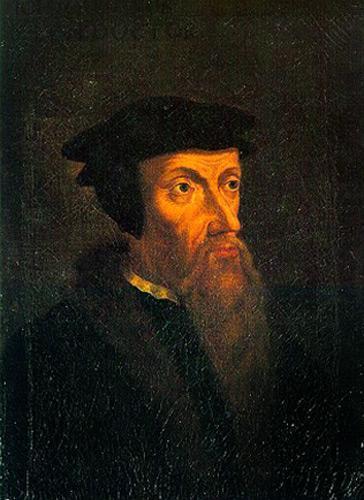
Jean Calvin (1509-1564)
Une génération après Luther, le Français Jean Calvin est l’organisateur de la Réforme : organisateur de l’Église, de la doctrine et du rôle de l’Église dans l’État. -
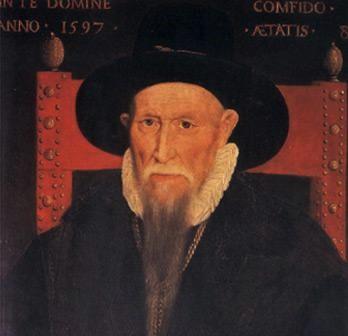
Théodore de Bèze (1519-1605)
Théodore de Bèze est un des personnages les plus importants du courant réformé. Il soutient Calvin et succède à celui-ci comme modérateur (président) de la Compagnie des pasteurs de Genève.... -
Musée international de la Réforme (Genève)
Le protestantisme au fil des siècles, du XVIe au XXIe siècle, une présentation interactive. -
Le protestantisme en Suisse
La Suisse est le berceau du protestantisme réformé, grâce à la présence de Calvin à Genève et de Zwingli à Zurich. La Confédération suisse s’est formée par étapes successives à... -
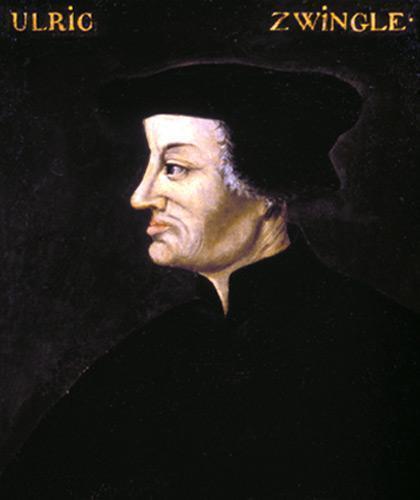
Ulrich Zwingli (1484-1531)
Pasteur et théologien, il fonde la Réforme sur l’étude de la Bible. Pour lui, la Réforme s’étend jusqu’à la lutte contre les injustices sociales. -
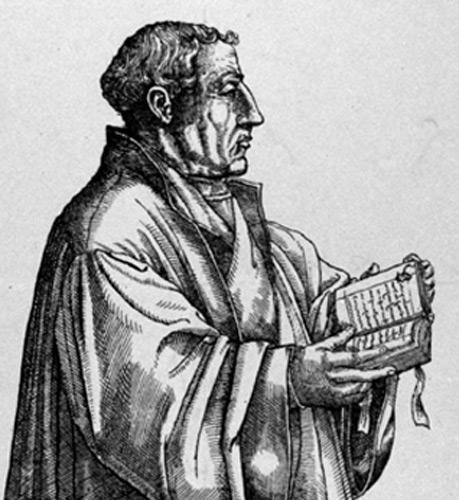
Martin Bucer (1491-1551)
Né en Alsace, cet humaniste a toute sa vie tenté de sauvegarder l’unité de l’Église. -
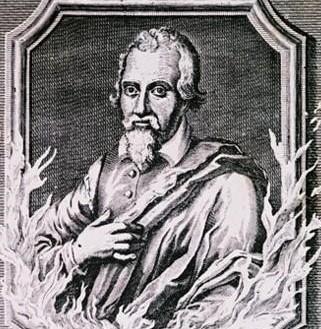
Les combats de la tolérance, contre le scandale de la violence religieuse