Claude Le Jeune
(vers 1530-1600)
Musicien de cour, les sympathies protestantes de Claude Le Jeune l’incitent à composer de nombreuses versions polyphoniques des psaumes.
Un musicien de cour
-
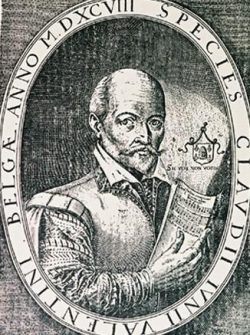
Claude Lejeune (1530-1600) © S.H.P.F.
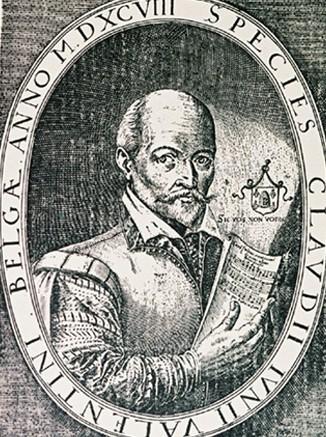
Né à Valenciennes vers 1530, il se fixe à Paris avant 1564. Il est protégé par deux seigneurs protestants (François de la Noue et Charles de Téligny) à qui il dédie en 1564 ses Dix pseaumes de David.
Il devient l’un des principaux compositeurs de « musique mesurée » dont le principe est de calquer le rythme musical sur celui de la poésie (mesurée à l’antique).
Il rejoint l'Académie de poésie et musique fondée par le poète Jean-Antoine Baïf.
Claude Lejeune devient maître de musique de François, duc d’Alençon, frère d’Henri III.
En 1590, ses sympathies protestantes l’obligent à fuir à La Rochelle.
En 1596, il est nommé compositeur officiel au service du roi Henri IV.
Harmonisation des psaumes
Claude Le Jeune compose plus de 300 œuvres religieuses dont la plus grande partie est publiée en 1601, après sa mort.
Il s’intéresse aux psaumes dès 1564 et compose des versions polyphoniques d’un grand nombre de psaumes du psautier de Genève.
Ses harmonisations des psaumes, publiées bien après celles de Goudimel, sont d’une écriture polyphonique très nouvelle et d’une interprétation plus difficile. C’est ce qui explique la préférence donnée aux harmonisations de Goudimel pour le chant en famille ou le chant d’église à partir du XVIIIe siècle.
Mais les psaumes de Claude Le Jeune connaissent une grande diffusion au XVIIe siècle, en particulier hors de France.
Bibliographie
- Livres
- PIDOUX Pierre, Le psautier huguenot du XVIe siècle, Baerenreiter, Bâle, 1962
- WEBER Édith, La musique protestante en langue française, Honoré Champion, Paris, 1979
Parcours associés

Notices associées
-
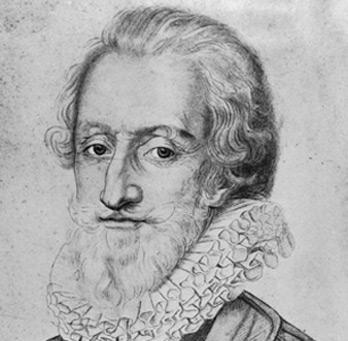
Henri IV (1553-1610)
Henri de Navarre, devenu roi de France en 1589 sous le nom d’Henri IV, met fin aux guerres de religion et restaure la paix civile et religieuse dans le royaume. -
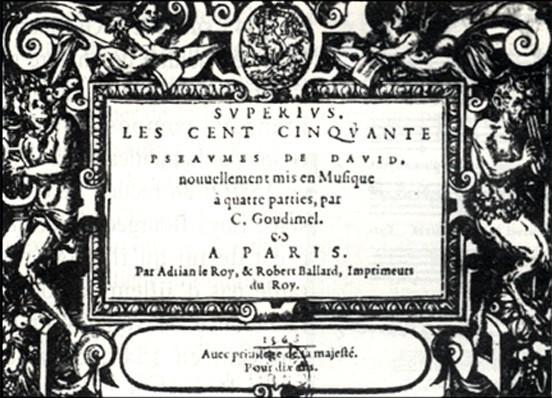
Claude Goudimel (vers 1520-1572)
Claude Goudimel est l’un des compositeurs français les plus importants du XVIe siècle. Il crée une version polyphonique à quatre voix de 150 psaumes du psautier de Genève pour être chantée en... -
Loys Bourgeois (vers 1510-1560)
Musicien français, Loys Bourgeois joue un rôle essentiel dans l’élaboration du psautier huguenot. Il arrange et compose la majorité des mélodies de ce psautier. -
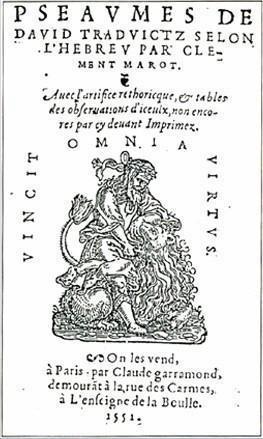
Le chant des psaumes
Les réformateurs ont voulu faire chanter l’assemblée des fidèles pendant le culte. Il a fallu créer un nouveau répertoire de chant d’Église. Les Églises réformées francophones ont placé le chant... -
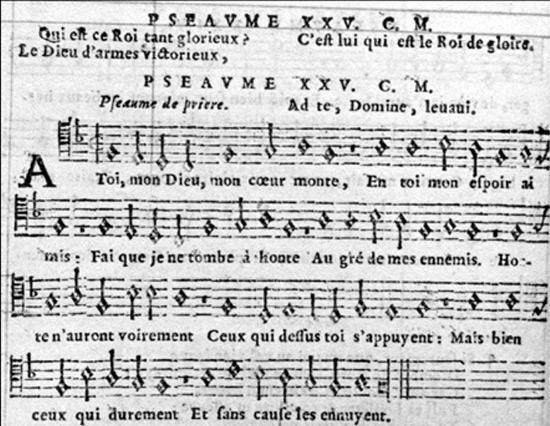
La musique protestante
Les réformateurs ont voulu faire chanter l’assemblée. Ils ont donc suscité une intense création musicale pour donner aux fidèles un nouveau répertoire : les chorals en milieu luthérien, le chant des... -

Martin Luther et la musique
Martin Luther (1483-1548) est non seulement un théologien et un réformateur, mais il est aussi un musicien et un compositeur. Dans la réforme de la liturgie, il donne au chant...