Claude Goudimel
(vers 1520-1572)
Claude Goudimel est l’un des compositeurs français les plus importants du XVIe siècle. Il crée une version polyphonique à quatre voix de 150 psaumes du psautier de Genève pour être chantée en famille. Cette version connaît un immense succès et est encore chantée aujourd’hui.
Biographie
-
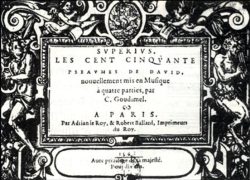
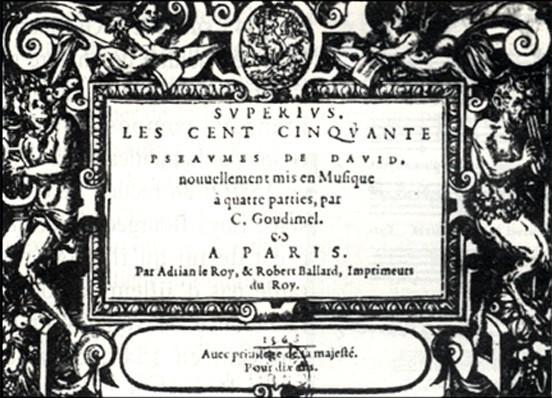
Psaumes de David, mis en musique par Goudimel (1563)
Claude Goudimel ou Godimel est né à Besançon vers 1520. Sa présence est attestée à Paris en 1542 où il entreprend des études à l’université. Il occupe un poste de correcteur chez l’imprimeur Nicolas Du Chemin qui le prend ensuite comme associé. Il s’installe à Metz vers 1557.
Converti au protestantisme vers 1560, il s’intéresse aux textes et mélodies du psautier de Genève. Il est assassiné à Lyon lors de la Saint-Barthélemy, en 1572. Son corps est jeté dans le Rhône.
C’est un compositeur prolifique qui a composé des messes et motets pour l’Église catholique mais aussi de nombreuses chansons profanes. Il met en musique des poèmes de Ronsard et une ode à Michel de l’Hospital.
L'harmonisation des psaumes
-
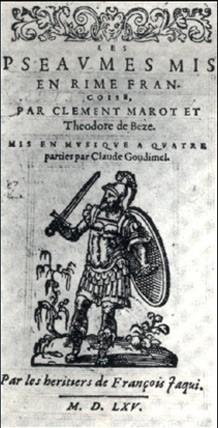
Psaumes de David mis en musique par Goudimel (1561)
On parle souvent des psaumes de Goudimel. Pourtant Goudimel n’a pas créé les mélodies des psaumes, mais des versions polyphoniques à quatre voix ou plus. Il n’est d’ailleurs pas le seul musicien à avoir harmonisé les psaumes. Mais son harmonisation à quatre voix la plus simple, favorisant la compréhension du texte, (dite aussi note contre note) a connu un tel succès qu’elle a éclipsé un peu les autres. Il est d’ailleurs le seul à avoir harmonisé la totalité du psautier, c’est-à-dire les 150 psaumes mis en vers par Clément Marot et Théodore de Bèze.
Les autres versions polyphoniques de Goudimel (contrepoint fleuri ou motet pour quatre à huit voix) sont réservées à des professionnels et sont encore aujourd’hui chantées en concert.
Toutes ces versions polyphoniques des psaumes étaient réservées à l’usage privé. À l’église au XVIe siècle, le chant des psaumes était à l’unisson. Goudimel précise bien dans la préface de ses psaumes qu’il les a composés « non pas pour induire à les chanter en l’Église, mais pour s’esjouir en Dieu particulièrement es maisons ».
Calvin lui-même préconisait le chant des psaumes à la maison, en famille.
Les psaumes de Goudimel connaissent un immense succès. Ils ont été chantés tout au long de l’histoire du protestantisme, même pendant les périodes de persécutions. Ils sont encore chantés aujourd’hui.
Bibliographie
- Livres
- PIDOUX Pierre, Le psautier huguenot du XVIe siècle, Baerenreiter, Bâle, 1962
- WEBER Édith, La musique protestante en langue française, Honoré Champion, Paris, 1979
Parcours associés

Notices associées
-
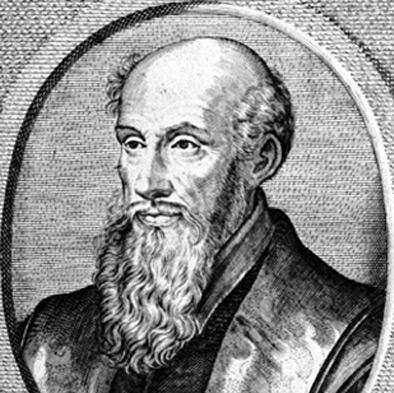
Michel de l'Hospital (1505-1573)
Juriste catholique, il est appelé par Catherine de Médicis pour tenter d’instaurer une coexistence religieuse entre catholiques et protestants, mais il échoue. -
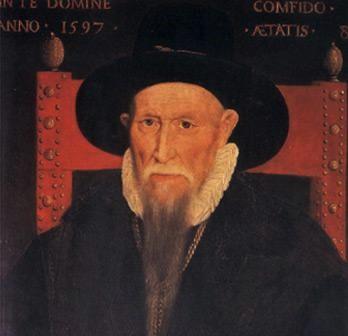
Théodore de Bèze (1519-1605)
Théodore de Bèze est un des personnages les plus importants du courant réformé. Il soutient Calvin et succède à celui-ci comme modérateur (président) de la Compagnie des pasteurs de Genève.... -
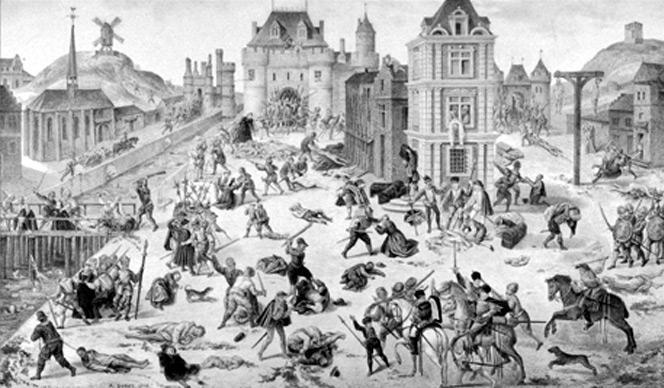
La Saint-Barthélemy (24 août 1572)
Après une tentative de réconciliation religieuse, Charles IX, poussé par les Guise, autorise l’assassinat des chefs protestants ; la situation dégénère en un massacre général. -
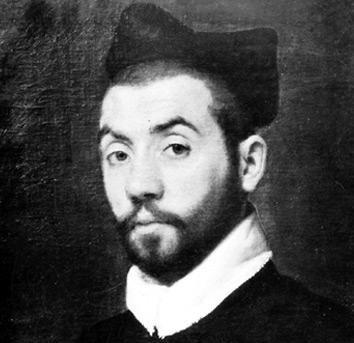
Clément Marot (1496-1544)
Célèbre poète français du XVIe siècle, Clément Marot met en vers des psaumes de la Bible qui seront chantés dans toute la France et seront le point de départ du célèbre... -
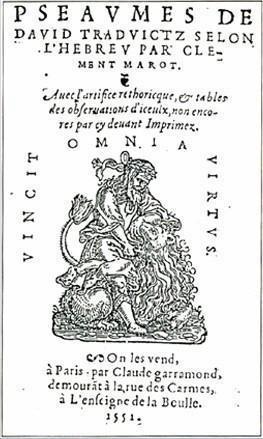
Le chant des psaumes
Les réformateurs ont voulu faire chanter l’assemblée des fidèles pendant le culte. Il a fallu créer un nouveau répertoire de chant d’Église. Les Églises réformées francophones ont placé le chant... -
La musique protestante
Les réformateurs ont voulu faire chanter l’assemblée. Ils ont donc suscité une intense création musicale pour donner aux fidèles un nouveau répertoire : les chorals en milieu luthérien, le chant des... -
Claude Goudimel (vers 1520-1572)
Claude Goudimel est l’un des compositeurs français les plus importants du XVIe siècle. Il crée une version polyphonique à quatre voix de 150 psaumes du psautier de Genève pour être chantée en... -
Claude Le Jeune (vers 1530-1600)
Musicien de cour, les sympathies protestantes de Claude Le Jeune l’incitent à composer de nombreuses versions polyphoniques des psaumes. -
Loys Bourgeois (vers 1510-1560)
Musicien français, Loys Bourgeois joue un rôle essentiel dans l’élaboration du psautier huguenot. Il arrange et compose la majorité des mélodies de ce psautier.