Antoine Court (1695-1760)
Antoine Court s’est donné pour tâche de rétablir et de réorganiser le protestantisme en France après la Révocation de l’Édit de Nantes (1685).
Le restaurateur du protestantisme en France
-
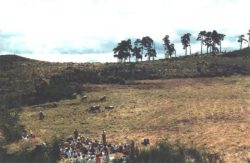
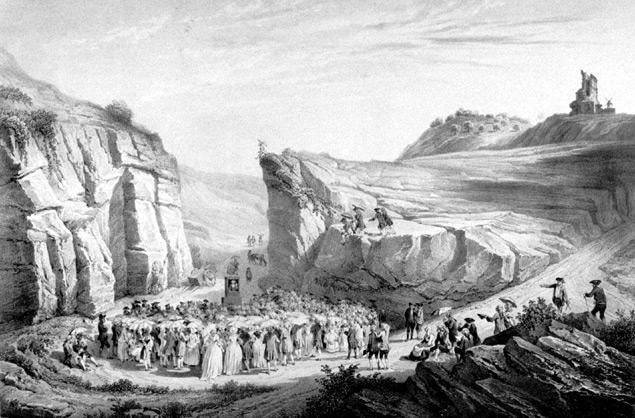
Serre-de-Lès (Ardèche) : paysage d'assemblée du Désert © Patrimoine huguenot d'Ardèche

Né à Villeneuve-de-Berg en Vivarais. dans une famille attachée à la foi réformée à une époque où la clandestinité était la seule façon de survivre. Il est baptisé, comme la loi l’impose, dans la religion catholique. Mais il fréquente avec sa mère les Assemblées du Désert.
Dès 1713, à l’âge de dix-huit ans, il s’engage dans une vie de prédicant, et assez vite, prend ses distances par rapport au prophétismealors pratiqué au cours des assemblées.
« De là en avant, je me déclarais contre tout ce que l’on appelait inspiration et je travaillais à en faire connaître la source et les abus. »
Le synode des Montèzes : premier synode du Désert
-
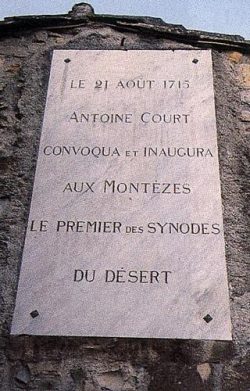
Plaque apposée à la maison du hameau des Montèzes, près de Monoblet (Gard) © H. Ayglon
Il prend aussitôt conscience de l’urgence de réorganiser les Églises réformées et de redonner de l’importance à la fonction pastorale.
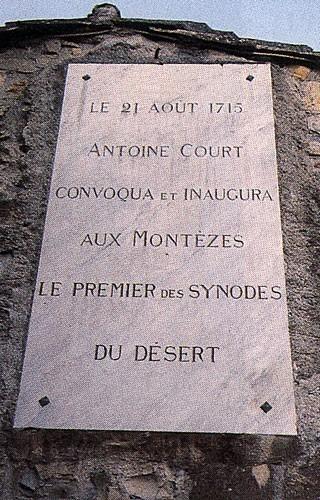
En 1715, une réunion a lieu aux Montèzes, près de Monoblet (Gard). C’est le premier synode du Désert, il rassemble quelques prédicants et fidèles. Antoine Court fait prendre les décisions suivantes :
- rétablir la discipline de l’Église réformée,
- réorganiser les consistoires et les synodes,
- former de jeunes prédicateurs.
La tâche n’est pas aisée, étant donné les risques que comporte la clandestinité.
En 1718, Antoine Court est consacré pasteur par l’ancien camisard Pierre Corteiz qui avait obtenu lui-même à Zürich la consécration pastorale.
Vers la fin de 1720, il se rend pour deux ans à Genève où il peut compléter sa formation théologique. Il y noue en outre des relations particulièrement utiles pour désenclaver les Églises du Désert.
À son retour en France, il se marie en 1722 avec Étiennette Pagès.
En 1729, il se réfugie à Lausanne où il organise le Séminaire pour former les futurs pasteurs du Désert.
Il ne reviendra qu’une fois en France en juin 1744, pour le 4e « Synode National des Églises Réformées de France assemblé au Désert dans le Bas-Languedoc ». À ce synode neuf provinces étaient représentées par dix pasteurs et vingt-quatre anciens, ce qui atteste l’ampleur du mouvement de restauration du protestantisme en France.
Antoine Court meurt à Lausanne en 1760.
Il est le père de Court de Gébelin.
La publicité des Églises du Désert
Antoine Court entend rompre avec l’époque du prophétisme. De même, il entend prendre ses distances avec l’esprit camisard en refusant notamment toute violence insurrectionnelle. Mais contre l’avis de la plupart des Églises du Refuge, il plaide pour la pratique des assemblées du Désert, donc pour l’illégalité.
Au synode de 1744, il se voit confier officiellement la mission de « député général des Églises », en remplacement de Benjamin Du Plan.
En outre il entretient une abondante correspondance européenne et publie plusieurs ouvrages destinés à faire connaître la communauté réformée en cette période troublée et à solliciter le droit à la liberté de conscience : Le Patriote français et impartial (1752), la Lettre d’un patriote pour la tolérance civile (1756), et l’Histoire des troubles des Cévennes ou de la guerre des Camisards (1760).
Il rédige aussi ses Mémoires, qui lui permettent notamment de justifier son départ de France par le travail qu’il a pu accomplir, depuis le Refuge, en faveur des « Églises sous la croix ».
Bibliographie
- Livres
- BOST Hubert (éd.), Entre Désert et Europe : le pasteur Antoine Court, Actes du Colloque de Nîmes (1995), Champion, Paris, 1998
- CABANEL Patrick, Mémoires d’Antoine Court, Max Chaleil, 1999
- COURT Antoine, Mémoires, Éditions E. Hugues, Toulouse, 1885
- HUGUES Edmond, Antoine Court. Histoire de la restauration du protestantisme en France au XVIIIe siècle, M. Lévy, Paris, 1872
- LASSERRE Claude, Le Séminaire de Lausanne, Bibliothèque historique vaudoise, Lausanne, 1997, n° 112
- SELLES Otto H., Antoine Court et l’idée de tolérance au XVIIIe siècle. Le patriote français et impartial, édition critique et commentée, thèse de doctorat dactylographiée, Paris IV-Sorbonne, 1994
Parcours associés
-
La religion du Désert
A la suite de la Révocation de l’édit de Nantes en 1685, les protestants de France se sont exilés ou ont abjuré. Cependant, parmi ceux qui ont abjuré, certains continuent...
Notices associées
-
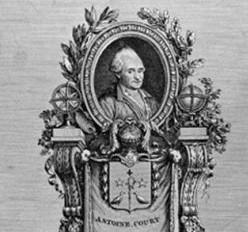
Antoine Court de Gébelin (1724 ou 1728-1784)
Un érudit au service de sa religion et de la science. -
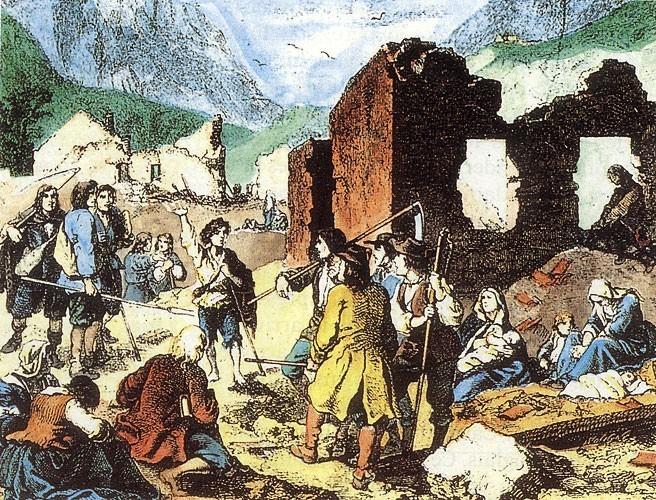
Benjamin Du Plan (1688-1763)
Benjamin Du Plan fait partie des laïcs qui ont joué un rôle important pour la restauration du protestantisme au Désert. -
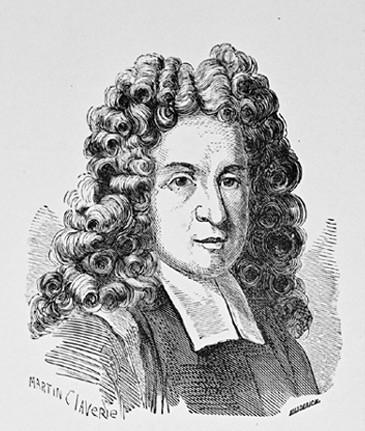
Jacques Saurin (1677-1730)
Pasteur dans les pays du Refuge – à Londres puis à La Haye – Jacques Saurin est connu pour son éloquence de prédicateur et son esprit de tolérance. -
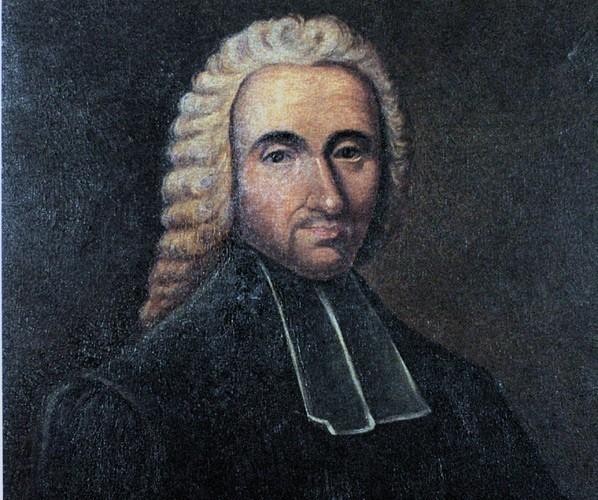
Paul Rabaut (1718-1794)
Pasteur du Désert, Paul Rabaut a mené une vie de clandestinité et de risque. -
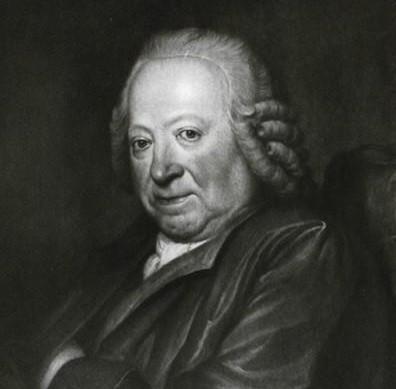
Isaac Mallet (1684-1779)
Descendant d’un protestant français réfugié à Genève, Isaac Mallet est le fondateur de la banque Mallet Frères et Cie qui restera dans sa famille pendant plus de 250 ans.