
La création
de l’École alsacienne
Après la défaite de Sedan, un certain nombre de personnalités protestantes songèrent à créer un établissement d’enseignement qui pourrait accueillir les enfants des familles alsaciennes francophones repliées à Paris. l’École alsacienne est vite devenue cette école privée dont les initiatives pédagogiques ont toujours attiré l’attention des responsables de l’enseignement public qui la tiennent en haute estime.
Une école élémentaire en 1871
-
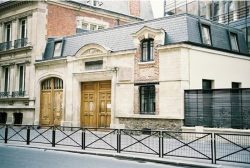
Paris, École Alsacienne © Isabelle de Rouville
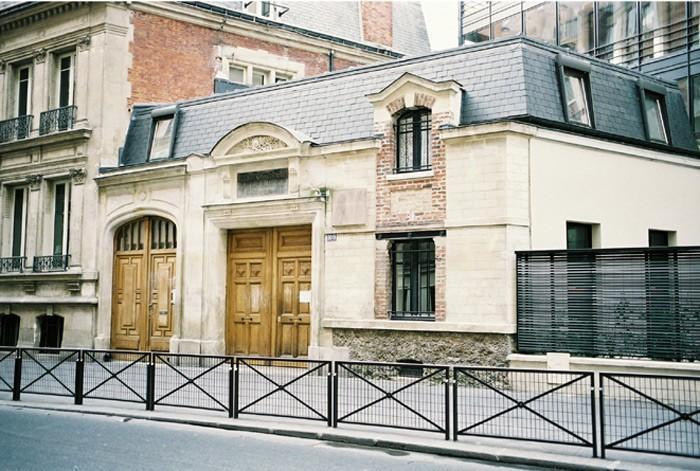
C’est par une modeste classe de niveau élémentaire que l’École alsacienne a ouvert ses portes dans le quartier latin à Paris en 1871. Après s’être doté d’un conseil d’administration, l’établissement prend vraiment forme en 1874, proposant alors un programme pédagogique ambitieux et plus moderne que celui des Lycées (suppression des exercices en vers latins, sections scientifiques et de sciences expérimentales). En 1879, l’École alsacienne accueille 200 élèves qu’elle prépare aux différents baccalauréats avec des succès très significatifs.
L’École conquiert définitivement ses lettres de créance sous la responsabilité de Jean-Théodore Beck qui en assuma la direction entre 1890 et 1921. Ce pasteur alsacien replié à Paris vint à l’École d’abord pour y enseigner l’allemand. Nommé Directeur, il lia son mandat à l’exigence de faire de l’École « une œuvre d’affranchissement intellectuel et moral, avec, (fait tout à fait nouveau dans le cadre de l’enseignement secondaire), la collaboration des parents appartenant à toutes les tendances politiques et religieuses, mais désirant avant tout que leurs fils aient l’horreur de ce qui abaisse et l’amour de ce qui élève, et cela pour la dignité de la famille et l’honneur de la France ».
Ministre de l’Instruction publique en 1891, Paul Bert a bien résumé ce que fut, ce qui demeure, la place de l’École au sein du système d’enseignement général : « Vous êtes les auxiliaires de l’Université, faisant pour elle des expériences qu’elle ne peut tenter elle-même ».
André Gide a décrit sa scolarité à l’École alsacienne dans Si le grain ne meurt.
Parcours associés
-
L’éducation dans le monde protestant depuis la Révolution
Après la Révolution française, un système d’enseignement public se met peu à peu en place, avec les lycées et les grandes écoles. Les protestants ont largement participé aux grandes réformes...
Notices associées
-
Les écoles maternelles
Le XIXe siècle fait « la découverte de l’enfant », certainement sous l’influence de J.J. Rousseau pour qui l’art de l’éducation doit être fondé sur une connaissance « scientifique » de l’enfant. Les apports plus lointains... -
Les écoles professionnelles
Sous le Second Empire, les écoles professionnelles se multiplient. Les protestants y prennent leur part. -
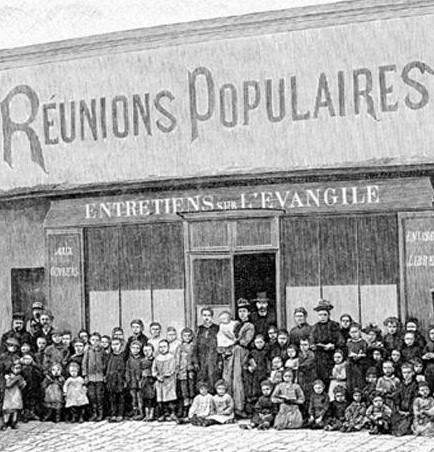
Le christianisme social
À la fin du XIXe siècle, des pasteurs, émus par la misère ouvrière, entament une réflexion sur la justice sociale. -
L'évangélisation protestante
Le XIXe siècle représente, pour les protestants de France, le temps de la « réintégration » ou de la « refondation ». Après plus d’un siècle de proscription, tout, ou presque, était à reconstruire. Le... -
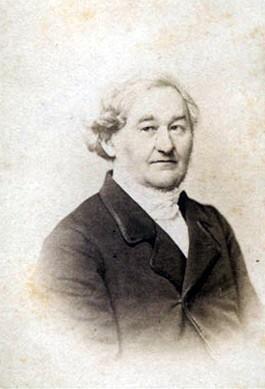
Jean Théodore Beck (1839-1936) et le cas particulier de l'École Alsacienne
Il fut l’une des figures marquantes de l’École Alsacienne, dont il fut directeur de 1891 à 1920.