
La formation
des maîtres d’école
« Autant vaut le maître, autant vaut l’école elle-même… Nous sommes bien réduits à nous contenter bien souvent à des maîtres médiocres ; mais il faut tâcher d’en former de bons ; et pour cela, messieurs, des écoles normales primaires sont indispensables » (François Guizot).
La communauté protestante prit très tôt l’initiative de former elle-même des maîtres d’école, par des créations régionales ou nationales.
Les écoles protestantes régionales
-
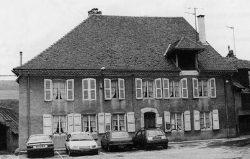
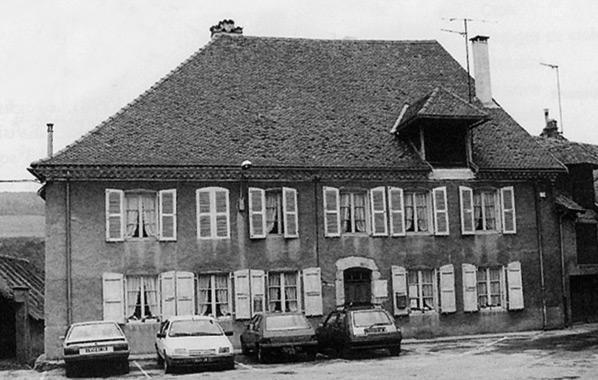
Ancien Internat de Mens (38) © Société Évangélique de Genève
La loi Guizot précisait que dans les départements dont les habitants professaient différents cultes, il était possible d’établir, à côté des écoles normales, des écoles « modèles » destinées à former le personnel enseignant pour les écoles primaires.
La SEIPF, constatant que les écoles normales ne présentaient pas toujours de garanties suffisantes sous l’angle de la formation religieuse, a favorisé la création de ces écoles modèles, ou le développement de celles déjà existantes. Parmi les nombreuses écoles ainsi formées, on peut retenir l’exemple de :
- Mens (Isère), qui en 1881 avait formé plus de 300 maîtres, et comptait 54 élèves en 1885 ;
- Montbeliard (Doubs), qui en 1882 comptait 30 élèves ;
- Dieulefit (Drôme), qui en 1885 comptait 44 élèves ;
- Nîmes (Gard), qui pendant 40 ans prépara chaque année 40 à 60 élèves institutrices.
Les écoles protestantes nationales
Le besoin de maîtres compétents, tant au point de vue scolaire que religieux, apparaît de plus en plus important pour les écoles créées par la communauté protestante, d’autant plus qu’à partir de 1850, avec la montée en force du parti de l’ordre, les écoles normales départementales, bien que publiques, seront reprises en main par la hiérarchie catholique. Deux écoles normales protestantes vont donc être créées à l’échelon national : l’école normale d’institutrices de Boissy-Saint-Léger et l’école normale de Courbevoie.
L’école normale de Courbevoie sera active de 1846 à 1888, et s’individualise par les principes pédagogiques de son fondateur, Louis Gauthey : recours à l’intuition et à la méthode naturelle de l’éducation, l’élève-maître soucieux de l’enseignement qu’il aura à donner devant être d’abord orienté vers la pratique « pas de leçons de choses sans choses » ont dit tous les pédagogues protestants. L’enseignement religieux a la première place, les élèves-maîtres encadrant les écoles du dimanche et pouvant parfois remplacer le pasteur pour le culte du dimanche. L’éducation morale ne peut en être séparée, le maître d’école étant préparé à la vie humble qui l’attend. L’histoire, les langues étrangères, les mathématiques, la gymnastique et les travaux manuels furent successivement introduits, précédant en général de nombreuses années leur introduction dans les circulaires ministérielles.
Bibliographie
- Articles
- Gréard Octave, « Exposé à la Chambre des Députés, 2-1-1833 », Législation de l'instruction primaire en France, Delalin, Paris
- Prost André, « Histoire de l’enseignement en France 1800-1967 », Armand Colin, Paris, 1968
Notices associées
-
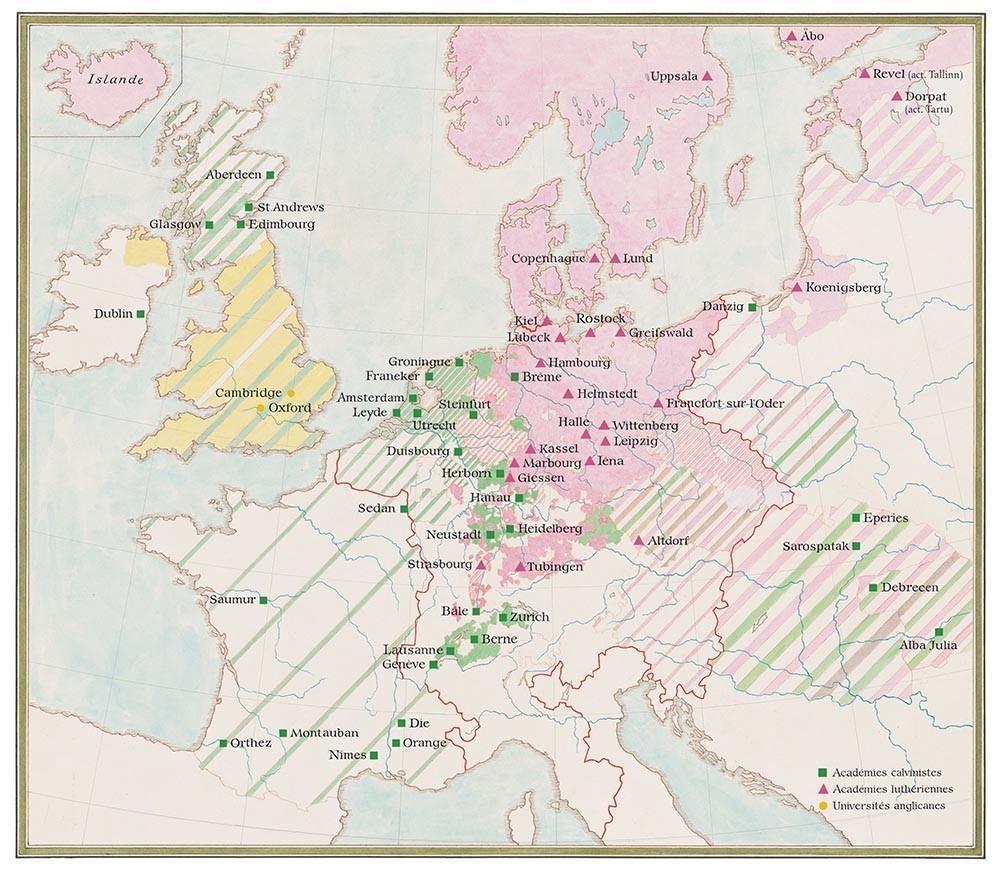
Les académies réformées aux XVIe et XVIIe siècles
Dès 1565, les synodes des Églises réformées se sont préoccupés de la formation des pasteurs, exhortant les Églises à ouvrir des collèges (préalable nécessaire à l’enseignement supérieur), et des universités... -
Les écoles maternelles
Le XIXe siècle fait « la découverte de l’enfant », certainement sous l’influence de J.J. Rousseau pour qui l’art de l’éducation doit être fondé sur une connaissance « scientifique » de l’enfant. Les apports plus lointains... -
Les écoles professionnelles
Sous le Second Empire, les écoles professionnelles se multiplient. Les protestants y prennent leur part. -
L'enseignement protestant au XVIIe siècle
Transmettre la foi réformée est au XVIIe siècle, le but fondamental de l’enseignement protestant. On ne peut concevoir à cette époque d’enseignement purement laïc. -

L'enseignement protestant
L’histoire de l’enseignement au XIXe siècle est marquée par de profonds changements dans son organisation par l’État et son rayonnement. Des lois fondamentales sont adoptées et de nouvelles pédagogies sont mises...