Suzanne de Dietrich (1891-1981)
Issue d’une famille alsacienne de tradition luthéro-réformée, Suzanne de Dietrich, après avoir obtenu un diplôme d’ingénieur, se passionnera pour l’étude de la Bible qu’elle portera à un très haut niveau d’exigence et qui sera aussi pour elle une ouverture vers l’œcuménisme.
Des études d'ingénieur aux études bibliques
-
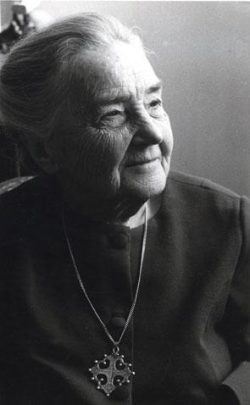
Suzanne de Dietrich, à 80 ans © Réforme
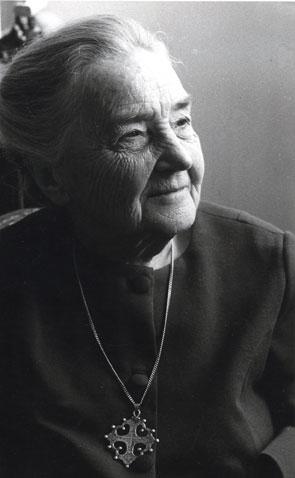
Suzanne de Dietrich est née à Niederbronn (Bas-Rhin) dans une famille d’industriels enracinée dans la tradition de foi du Ban de la Roche, marquée par les pasteurs Frédéric Oberlin et Tommy Fallot.
Elle fait des études d’ingénieur à Lausanne, où elle suit les activités de l’Association Chrétienne d’Étudiants, obtient en 1913 son diplôme d’ingénieur, et participe en février 1914 au congrès de la Fédération française des associations chrétiennes d’étudiants : la Fédé.
À partir de ce moment capital pour elle, et malgré un grave handicap physique, elle s’y engage complétement.
En 1916, elle devient aussi membre des « Volontaires du Christ », mouvement créé par les étudiants principalement en théologie et dont le mot d’ordre est « l’évangélisation du monde par notre génération ».
Elle introduit à la Fédé les études bibliques en commun, ce qui pour l’époque est une pratique jugée révolutionnaire. Sous son impulsion, la Bible, de livre de méditation privée, devient objet de culture biblique, tendant à fortifier la foi, ouverte à tous et à diverses étapes de leur évolution spirituelle.
À ce moment-là, elle participe aussi à la découverte de l’œuvre de Karl Barth (1886-1968), le grand théologien allemand, diffusée en France par le pasteur Pierre Maury (1890-1956) à travers la revue Foi et Vie, très influente dans le milieu des jeunes théologiens.
L'engagement œcuménique et la création de la Cimade
Suzanne de Dietrich est nommée en 1929 vice-présidente de la Fédération Universelle des Étudiants Chrétiens qui est, après la guerre de 1914-1918, le fer de lance du mouvement œcuménique qui commence à s’organiser. Et c’est elle qui est, en 1932, à l’origine de la première réunion de théologiens catholiques, protestants et orthodoxes.
À partir de ce moment-là, elle animera de nombreuses études bibliques inter-confessionnelles en France.
Elle est nommée en 1929, Vice-Présidente de la Fédération Universelle des Étudiants Chrétiens, chargée des questions œcuméniques et liturgiques, charge qu’elle assumera jusqu’en 1946.
En 1937, elle participe à la première conférence mondiale de la jeunesse très centrée sur l’étude biblique.
Elle fait partie du Comité consultatif pour la création d’une « méthode d’études bibliques » qui sera connue sous le nom de Renouveau biblique.
En septembre 1939, elle contribue avec Madeleine Barot (1909-1995) à la création de la CIMADE (Comité inter-mouvements auprès des évacués) rendue nécessaire par les problèmes humains dramatiques liés aux réfugiés et aux évacués.
En 1941, elle fait partie des 16 pasteurs et laïcs -dont 3 femmes- qui rédigent la déclaration dite Thèses de Pomeyrol, soulignant la résistance de l’Église Réformée de France au nazisme.
Restée à Genève pendant la guerre pour soutenir les Associations chrétiennes d’étudiants, elle écrit d’abord l’histoire de ces associations, puis son livre le plus connu : Le dessein de Dieu, véritable itinéraire biblique à l’usage de tous les croyants qui sera très étudié dans les séminaires catholiques. Publié en 1945, ce livre sera traduit en 13 langues.
Dernières activités
En 1946, elle participe à la création du nouvel Institut Œcuménique à Bossey (canton de Vaud, Suisse), sorte de laboratoire où se vit l’œcuménisme. Elle y est responsable de la formation des laïcs au travail œcuménique. Elle y restera 8 ans.
En 1954, elle s’installe à Paris d’où elle voyagera principalement en Amérique du Nord et au Canada. Elle y donne des cours dans les facultés de théologie.
En 1958, elle devient membre du Comité directeur de la Cimade et fait partie des « Équipes de recherche biblique » dès leur création en 1962.
Suzanne de Dietrich a été nommée Docteur Honoris Causa en théologie de plusieurs universités d’Europe et d’Amérique du Nord.
Suzanne de Dietrich (1891-1981)
Niederbronn
Bibliographie
- Livres
- DIETRICH Suzanne (de), Le dessein de Dieu, Labor et Fides, Genève, 1945
- WEBER H. R., Suzanne de Dietrich, la passion de vivre, Les Bergers et les mages-Oberlin, 1995
Parcours associés
-
Théologies et théologiens du XXe siècle
Dans la pensée et la recherche théologique protestante au XXe siècle, on distingue trois périodes : jusqu’à la fin des années 20, des années 30 aux années 70 et à...
Notices associées
-
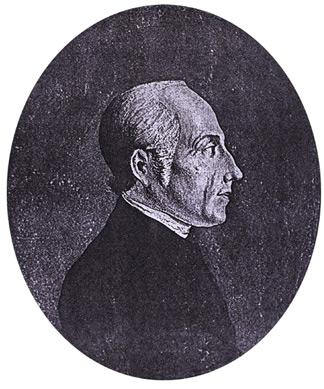
Jean-Frédéric Oberlin (1740-1826)
-
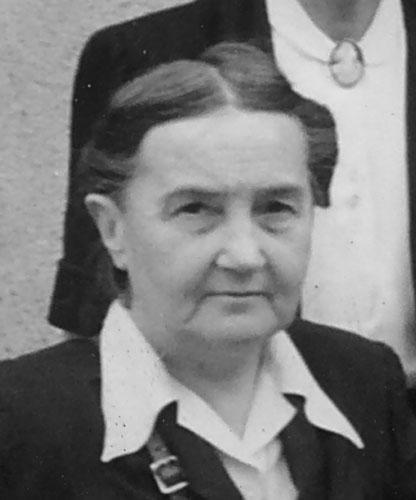
Femmes Protestantes à la « Fédé »
-

Tommy Fallot (1844-1904)
Devenu pasteur, Tommy Fallot est profondément marqué dès sa jeunesse par le peu d’intérêt que le protestantisme, très divisé à la fin du XIXe siècle, porte aux questions sociales. Il... -
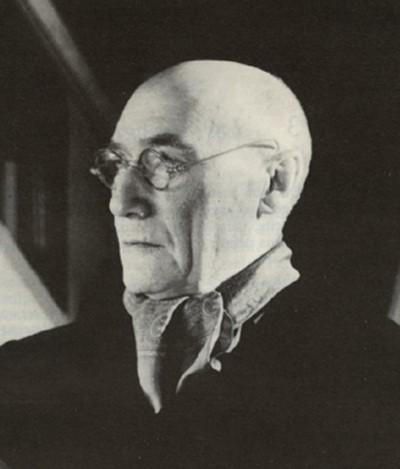
André Gide (1869-1951)
André Gide est l’un des écrivains français les plus importants de la première moitié du XXe siècle. Né dans une famille protestante, il reçoit une éducation austère dont la marque... -
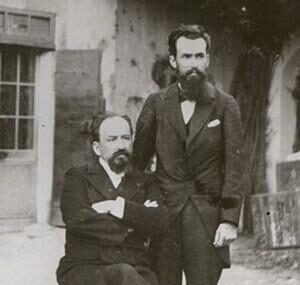
Philadelphe Delord, l'ami des lépreux (1869-1947)
En 1926, le pasteur Philadelphe Delord a fondé dans la chartreuse de Valbonne (Gard), le premier sanatorium pour lépreux en France avec le soutien de l’Institut Pasteur. L’établissement, qui a... -
Jacques Ellul (1912-1994)
Universitaire bordelais profondément engagé dans sa foi réformée, pourfendeur de tous les conformismes, Jacques Ellul est connu par de nombreux articles publiés dans les journaux Sud-Ouest, Réforme, Foi et Vie,... -
Jean Zay (1904-1944)
Brillant homme politique, Jean Zay est le témoin et la victime des drames du XXe siècle. -
Paul Ricœur (1913-2005)
Philosophe, considéré comme l’un des plus grands penseurs français d’après-guerre, Paul Ricœur se veut pleinement philosophe et pleinement chrétien. Loin des feux médiatiques, ce penseur de l’action recherche à travers... -

La Fédération universelle des Associations chrétiennes d’étudiants (FUACE)
La Fédération universelle des Associations chrétiennes d’Étudiants (World Student Christian Federation) est un mouvement de jeunesse œcuménique international créé à la fin du XIXe siècle dans une perspective d’évangélisation. Elle...